

How to Start Scrapbooking: Beginner’s Guide in 10 Simple Steps
Memories deserve more than being forgotten inside a phone gallery or hidden away in storage boxes. Scrapbooking offers a creative and meaningful way to preserve photographs, stories, and important moments in a form that can be enjoyed for years. Unlike ordinary photo albums, scrapbooks combine pictures with personal notes, decorative elements, and keepsakes that tell a story. Whether you want to document family milestones, travel adventures, birthdays, or everyday life, learning how to start scrapbooking can become an enjoyable hobby and a wonderful method of preserving memories.
Many beginners assume that scrapbooking requires artistic skills or expensive supplies. However, the truth is that anyone can create beautiful scrapbook pages with simple materials and a little creativity. The key is to start with a plan and focus on the memories rather than perfection. These ten detailed steps will help you understand everything you need to know to begin scrapbooking with confidence.
Step 1: Decide Why You Want to Start Scrapbooking
Before buying supplies or printing photos, spend some time thinking about the purpose of your scrapbook. Knowing why you want to create one will help you choose the right style, layout, and materials. Some people use scrapbooks to preserve family memories, while others enjoy documenting vacations, weddings, baby milestones, or everyday moments. Having a clear purpose gives your scrapbook direction and prevents it from becoming disorganized.
For example, if your goal is to record family history, you may include old photographs, stories from grandparents, and handwritten notes. If you enjoy traveling, your scrapbook may contain maps, postcards, tickets, and photographs from different destinations. Some people even create yearly scrapbooks to summarize their lives. Understanding your purpose makes the process more meaningful because every page contributes to a story rather than becoming a collection of random pictures.
In addition, setting a purpose helps you stay motivated. Scrapbooking becomes easier when you know what memories you want to preserve. Rather than trying to capture everything, you can focus on moments that truly matter.
Step 2: Choose the Type of Scrapbook You Want to Create
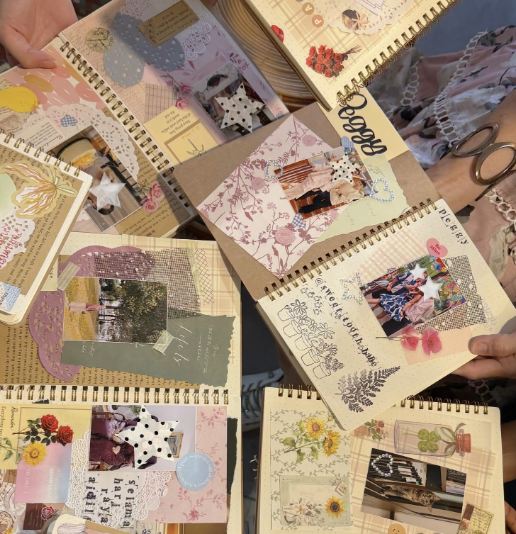
Scrapbooks come in many styles, and selecting one before starting will make the process easier. Traditional scrapbooks are the most common and involve printed photos, decorative papers, stickers, and handwritten journaling. They provide a hands-on experience that many people find relaxing and enjoyable.
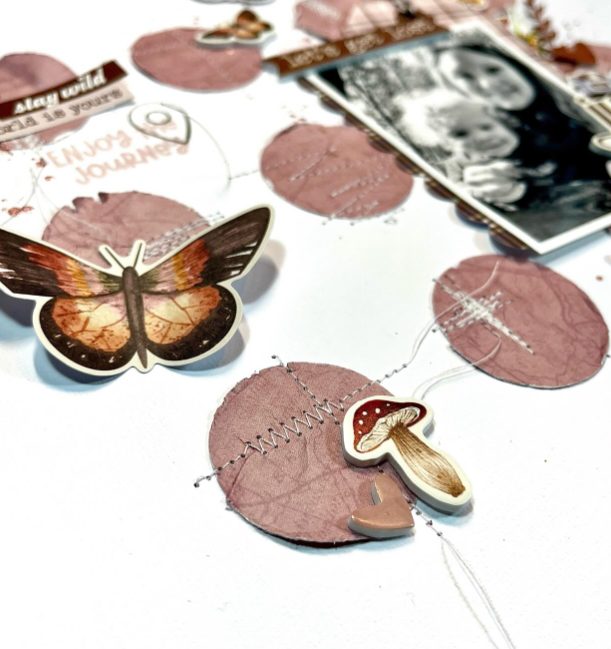
Another option is digital scrapbooking, which allows you to create pages using software and print them later. This method works well for people who prefer editing on computers. Some individuals enjoy minimalist scrapbooks that focus mainly on photographs and simple designs, while others love vintage styles filled with old paper, lace, and antique decorations.
Theme-based scrapbooks are also popular. Travel scrapbooks document vacations, baby scrapbooks capture childhood memories, and wedding scrapbooks preserve one of life’s most important events. Choosing a specific type of scrapbook helps you stay organized and creates a consistent appearance throughout the album.
Step 3: Gather Basic Scrapbooking Supplies
Many beginners believe they need expensive tools and decorations to create beautiful scrapbook pages. In reality, you can start with a few basic supplies and add more items over time. A good scrapbook album is the first essential item because it protects your pages and keeps memories organized. Choose an acid-free album to ensure your photographs remain safe for years.
Cardstock and patterned paper provide backgrounds and decorative layers. Photo-safe adhesives, glue sticks, and double-sided tape help secure your materials without causing damage. Scissors and paper trimmers allow you to create neat edges and customized shapes.
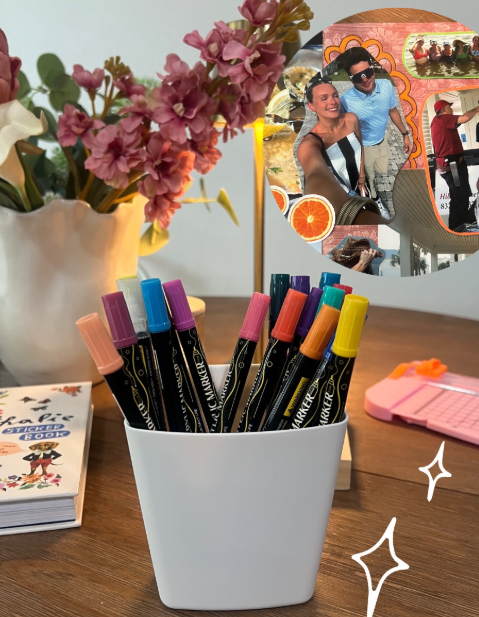
Pens and markers are equally important because they let you add dates, captions, and personal stories. Decorative items such as stickers, ribbons, washi tape, and embellishments can make pages more attractive, but they are optional. Starting with simple materials allows you to learn the basics without spending too much money.
Step 4: Organize Your Photos and Memories
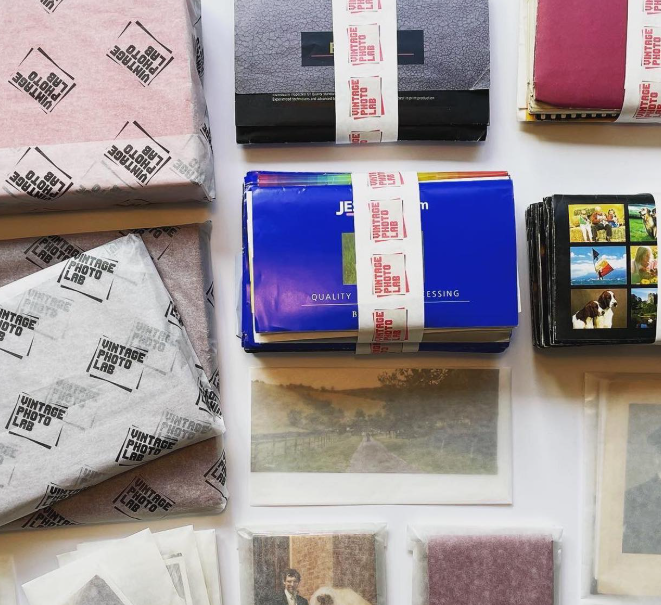
One of the most important parts of scrapbooking is organizing your memories before creating pages. Sorting photographs ahead of time saves time and makes storytelling easier. Begin by selecting photos that represent important events or special moments. Instead of using every picture you have, focus on the images that tell the best story.
You can organize photographs by year, event, season, or family member. Many scrapbookers create separate folders for birthdays, vacations, holidays, and everyday moments. Besides photographs, consider collecting memorabilia such as postcards, greeting cards, tickets, receipts, and handwritten notes. These small items add personality and help bring memories to life.
Organization prevents clutter and makes the creative process more enjoyable. When everything is prepared in advance, designing pages becomes easier and less overwhelming.
Step 5: Choose a Color Scheme and Theme
Every scrapbook page looks better when colors and decorations work together. A consistent theme creates harmony and helps pages feel connected. For example, soft pastel colors work beautifully for baby albums, while bright colors are perfect for travel memories and celebrations.
Seasonal themes are also popular. Autumn pages often feature warm orange and brown shades, while winter pages may include white, silver, and blue tones. Vintage themes use neutral colors and distressed paper to create an antique appearance.
Choosing two or three primary colors prevents pages from looking too busy. The goal is not to match everything perfectly but to create a balanced design that highlights the memories instead of overwhelming them.
Step 6: Plan the Layout Before Gluing Anything
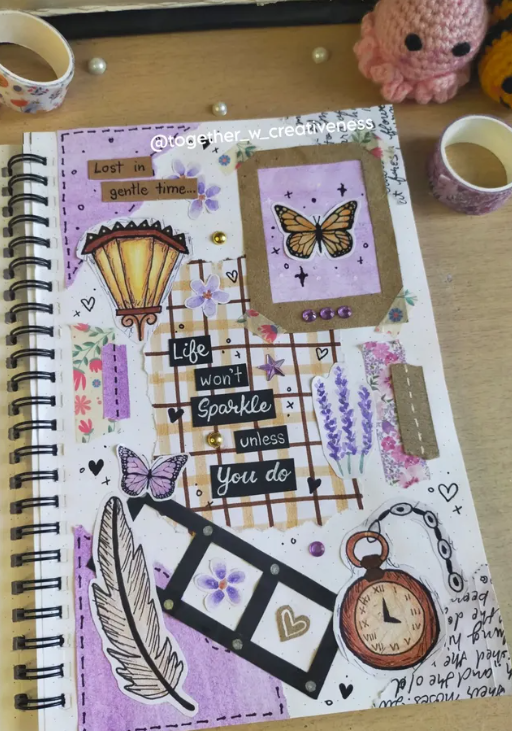
Many beginners rush to glue photos immediately and later regret their design choices. Planning the layout first prevents mistakes and saves supplies. Start by placing photographs on the page without attaching them. Experiment with different arrangements until you find one that feels balanced and attractive.
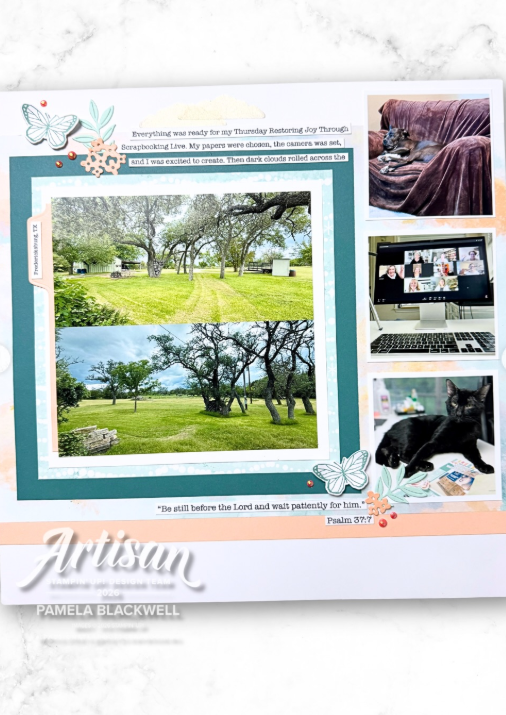
Most scrapbook pages include a title, one or more photographs, journaling sections, and decorative elements. The main photo should usually be the largest and serve as the focal point. Supporting photos can be arranged around it to tell a complete story.
Leaving some space is equally important because overcrowded pages can feel chaotic. Taking a few extra minutes to plan each page often results in a cleaner and more professional appearance.
Step 7: Add Personal Stories and Journaling
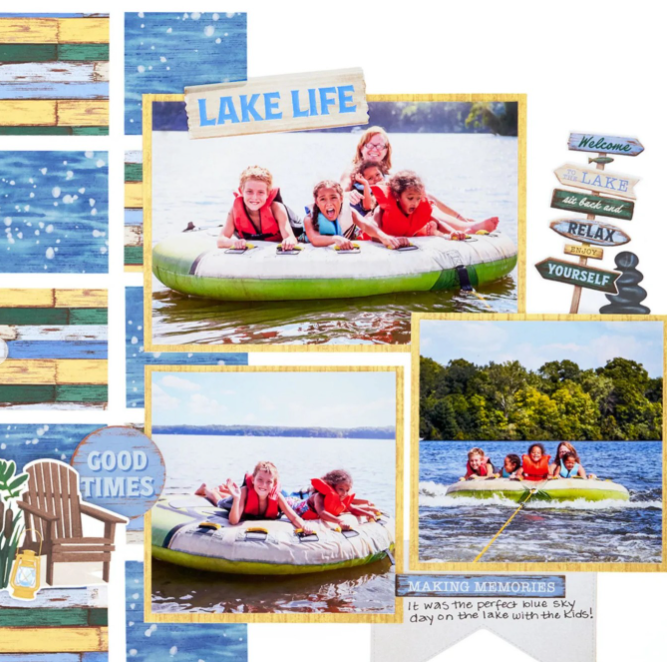
Photographs capture images, but journaling captures emotions and memories. Writing about your experiences transforms a scrapbook into a personal story rather than a collection of pictures. Include names, dates, locations, and details that you may forget over time.
You can describe funny moments, favorite memories, special conversations, or emotions you felt during the event. Years later, these written notes often become the most valuable part of the scrapbook. Family members and future generations can understand the meaning behind each photograph instead of simply looking at pictures.
Handwritten journaling adds personality, but printed text works equally well. The important thing is to preserve stories while they are still fresh in your memory.
Step 8: Decorate Your Pages Without Overcrowding Them
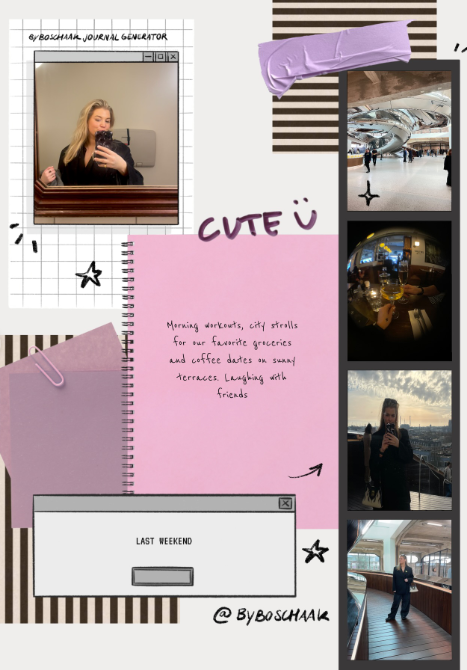
Decorations can make scrapbook pages more attractive, but using too many embellishments may distract from the memories. Stickers, ribbons, labels, stamps, and washi tape should enhance the page rather than dominate it.
Think of decorative elements as supporting details instead of the main focus. Choose decorations that match your theme and color scheme. Repeating similar patterns throughout the scrapbook creates consistency and helps pages feel connected.
Simple designs often look more elegant than heavily decorated pages. Remember that photographs and memories should always remain the center of attention.
Step 9: Preserve and Protect Your Scrapbook
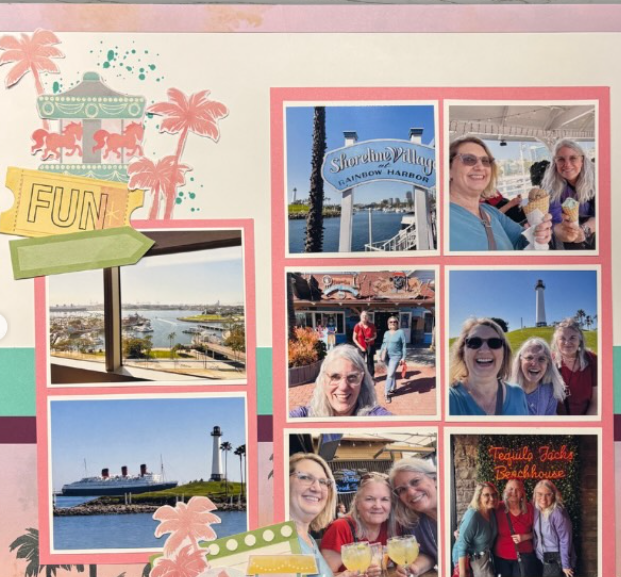
A scrapbook is meant to last for many years, so preserving it properly is essential. Using acid-free paper and photo-safe adhesives helps prevent discoloration and damage. High-quality pens with fade-resistant ink ensure that your writing remains clear over time.
Store scrapbooks in a cool, dry place away from direct sunlight and excessive humidity. Protective page sleeves can help prevent dust, fingerprints, and moisture damage. Handle photographs carefully to avoid bending or scratching them.
Proper preservation allows future generations to enjoy the memories you have carefully collected. A well-maintained scrapbook can become a treasured family heirloom.
Step 10: Enjoy the Process and Keep Creating
Many beginners worry about making mistakes or creating pages that do not look perfect. However, scrapbooking is about preserving memories and expressing creativity, not achieving perfection. Every page reflects your personality, experiences, and emotions.
As you continue scrapbooking, your style will naturally develop. You may experiment with different layouts, themes, and decorative techniques. Some pages will be simple, while others may become more detailed and artistic. Both approaches are equally valuable because they represent your unique journey.
Most importantly, enjoy the process. Scrapbooking should be relaxing and meaningful rather than stressful. Over time, your scrapbook will become a beautiful collection of stories that you and your family can revisit for many years.
Conclusion
Learning how to start scrapbooking does not require artistic talent or expensive materials. With the right supplies, thoughtful organization, and a focus on meaningful memories, anyone can create beautiful scrapbook pages. By following these ten simple steps, beginners can build a scrapbook that preserves special moments and tells personal stories in a creative way. The most important thing to remember is that there are no strict rules in scrapbooking. Every page is unique, and every memory deserves to be celebrated. Starting today means creating something that will bring joy not only now but also for generations to come.
