How to Use Fabric Paint to Design Custom Tees
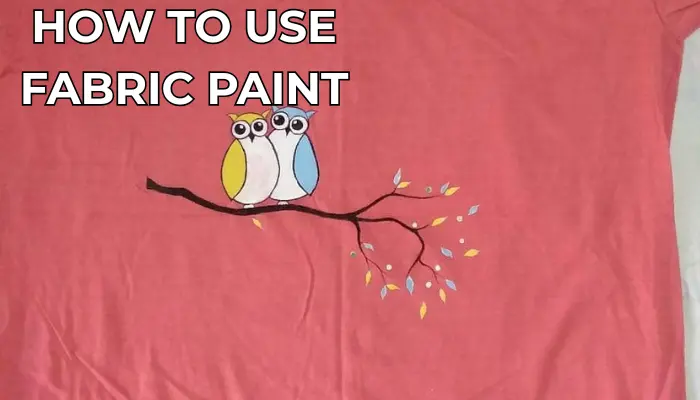
Custom T-shirts have become one of the most creative ways to express personal style, promote a brand, or make handmade fashion pieces at home. Among all DIY clothing techniques, fabric painting remains one of the easiest and most affordable methods for creating unique designs on plain tees. Unlike printed shirts that often look mass-produced, hand-painted shirts feel personal, artistic, and completely original.
Learning how to use fabric paint to design c
ustom tees can help beginners create wearable artwork without expensive equipment. Whether you want minimalist patterns, bold graphics, abstract art, floral details, or personalized text, fabric paint gives you endless creative possibilities. The best part is that you do not need professional experience to get started. With the right tools, proper preparation, and simple techniques, anyone can transform a basic shirt into a stylish custom piece.
In this guide, you will learn everything about using fabric paint on T-shirts, including choosing materials, preparing fabric, painting techniques, drying methods, sealing designs, and avoiding common mistakes.
Why Fabric Paint Is Perfect for Custom Tees
Fabric paint is specially designed to bond with textile fibers. Unlike regular acrylic paint, it stays flexible after drying and does not crack easily when the shirt stretches or moves. This makes it ideal for clothing projects.
Another reason fabric paint works well for custom tees is its versatility. You can use brushes, sponges, stamps, stencils, or even spray techniques to create different styles. Fabric paint also comes in many finishes, including matte, metallic, neon, puff, glitter, and glow-in-the-dark.
Additionally, fabric painting allows complete creative freedom. You can design shirts for birthdays, events, small businesses, sports teams, gifts, or personal fashion collections without relying on mass production.
Choosing the Right T-Shirt for Fabric Painting
The quality of the fabric directly affects the final result. Cotton T-shirts are usually the best choice because they absorb fabric paint evenly and allow smoother application. Cotton blends also work well, but heavily synthetic fabrics may resist paint and create uneven designs.
When selecting a shirt, keep these tips in mind:
- Choose smooth fabric surfaces for cleaner painting
- Wash the shirt before painting to remove chemicals or residue
- Avoid shirts with heavy textures because they make detailed painting harder
- Light-colored shirts work best for beginners because colors appear brighter
- Dark shirts often require opaque or layered paint for visibility
Pre-washing the shirt is very important. Many new shirts contain factory coatings that can stop the paint from bonding properly.
Essential Supplies You Need
Before starting your custom tee project, gather all necessary supplies to make the process easier and cleaner.
Basic Materials
- Fabric paint
- Plain T-shirt
- Paintbrushes
- Cardboard insert
- Palette or paint tray
- Water container
- Paper towels
- Pencil or chalk for sketching
Optional Tools
- Stencils
- Sponges
- Painter’s tape
- Fabric markers
- Heat press or iron
- Spray bottles
- Fine detail brushes
A cardboard insert placed inside the shirt prevents paint from bleeding through to the back side.
How to Prepare Your T-Shirt Before Painting
Proper preparation is one of the most important steps when learning how to use fabric paint to design custom tees. Skipping preparation can ruin even the best artwork.
Wash and Dry the Shirt
Always wash the shirt without fabric softener before painting. Fabric softener leaves a coating that can prevent proper paint absorption.
Remove Wrinkles
Iron the shirt so the surface becomes smooth. Wrinkles can distort your design and make lines uneven.
Insert Cardboard
Place cardboard or thick paper inside the shirt. This creates a stable surface and protects the opposite side from paint transfer.
Plan Your Design
Lightly sketch your design using chalk or a pencil. Avoid dark markers because they may show through lighter paint colors.
Best Fabric Painting Techniques for Beginners
There are many ways to apply fabric paint depending on the design style you want. Beginners should start with simple methods before moving to advanced artwork.
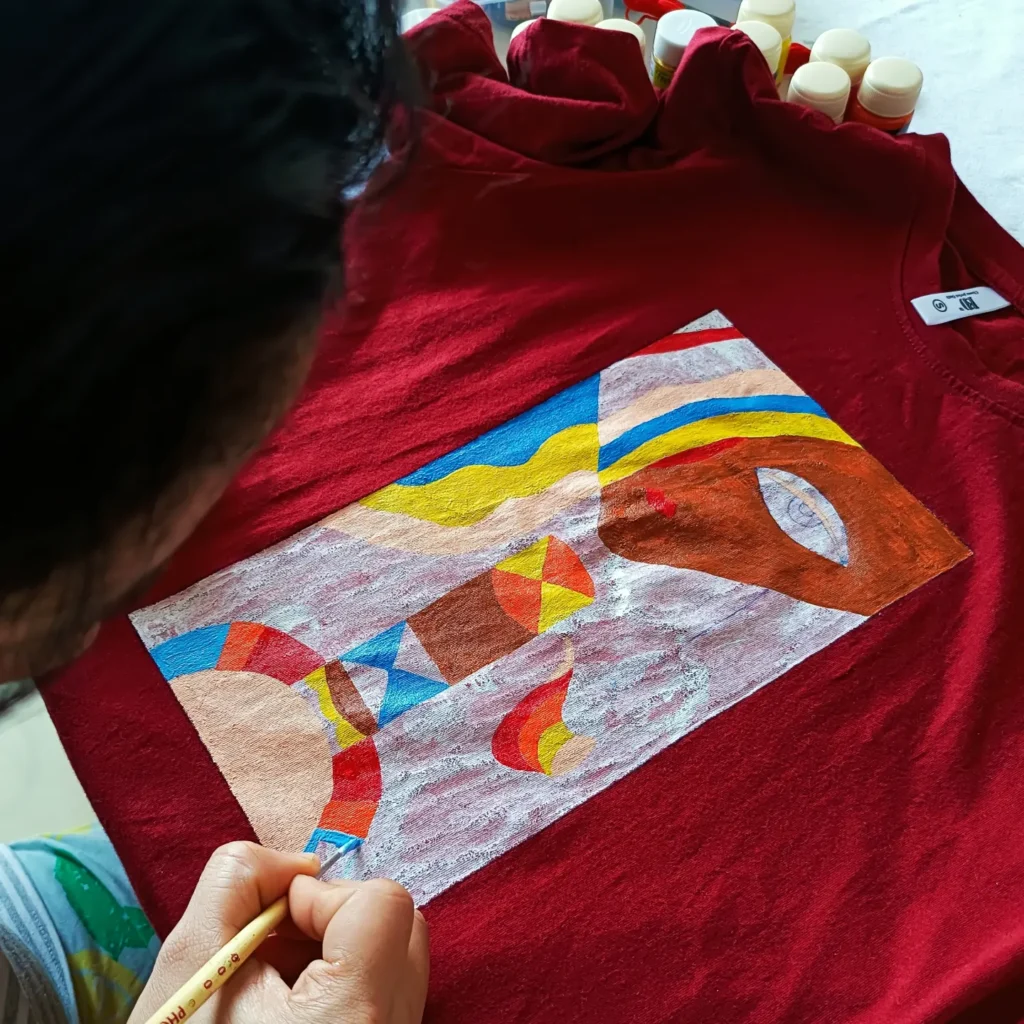
Brush Painting Technique
Brush painting is the most common method for custom tees. Flat brushes work well for larger areas, while fine brushes help with details and outlines.
Apply thin layers instead of thick coats. Thin layers dry more evenly and reduce cracking. Let each layer dry before adding another color.
Stencil Painting Technique
Stencils are excellent for beginners because they create clean and professional-looking shapes. Tape the stencil securely onto the shirt before applying paint.
Use a sponge or dabbing brush instead of brushing side to side. This prevents paint from leaking under the stencil edges.
Sponge Texture Technique
Sponges create soft gradients and textured effects. This technique works beautifully for clouds, abstract art, galaxy themes, and colorful backgrounds.
Dab lightly instead of rubbing. Too much pressure may oversaturate the fabric.
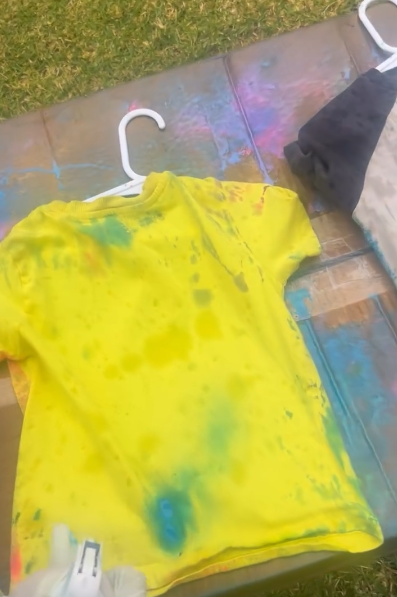
Splatter Paint Technique
Splatter painting creates energetic and artistic designs. Dip a brush into slightly thinned paint and flick it gently across the shirt.
This style works especially well for streetwear-inspired custom tees.
Hand Lettering Technique
Fabric paint pens or fine brushes can be used for lettering designs. Beginners should lightly sketch the words first to maintain balanced spacing.
Slow and steady strokes create cleaner typography.
How to Layer Colors Correctly
Layering colors is important when creating depth and vibrant artwork on custom tees.
Always start with lighter colors before adding darker shades. Dark colors can easily overpower lighter tones. Let every layer dry fully before painting over it.
For blending effects:
- Use slightly damp brushes
- Blend colors while the paint is still wet
- Work in small sections
- Avoid overmixing because muddy colors may appear
Patience during layering improves the final appearance significantly.
Drying and Heat Setting the Fabric Paint
One of the most critical parts of learning how to use fabric paint to design custom tees is properly setting the paint. If the paint is not cured correctly, it may fade or wash out quickly.
Air Drying
Allow the shirt to dry flat for at least 24 hours after painting. Avoid folding or stretching the fabric during this time.
Heat Setting
Most fabric paints require heat setting to become permanent. Always read the instructions on the paint label because drying times may vary between brands.
Usually, heat setting involves:
- Placing a cloth over the design
- Using a dry iron on medium heat
- Pressing for several minutes without steam
Heat helps the paint bond deeply with the fabric fibers.
How to Wash Painted T-Shirts Properly
Correct washing methods help preserve your artwork for a long time.
Follow these care tips:
- Wait at least 72 hours before the first wash
- Turn the shirt inside out
- Wash with cold water
- Use mild detergent
- Avoid bleach
- Air dry when possible
High heat and aggressive washing can weaken painted designs over time.
Common Mistakes to Avoid
Many beginners make small mistakes that affect the quality of custom tees. Understanding these problems early can save time and materials.
Using Too Much Paint
Excess paint makes fabric stiff and uncomfortable. Thin layers produce softer and cleaner results.
Painting on Unwashed Fabric
Unwashed fabric may resist paint absorption due to factory treatments.
Skipping Heat Setting
Without proper heat setting, the design may peel or fade quickly.
Rushing the Drying Process
Touching wet paint too early can smear details and ruin sharp edges.
Ignoring Fabric Type
Some synthetic fabrics do not absorb paint evenly. Cotton remains the safest option for beginners.
Creative Custom Tee Design Ideas
If you need inspiration, here are several easy custom T-shirt ideas you can try with fabric paint:
- Floral corner designs
- Abstract brush strokes
- Cartoon-inspired art
- Tie-dye paint effects
- Minimal line drawings
- Motivational quotes
- Vintage-style graphics
- Nature themes
- Geometric patterns
- Personalized names
Simple ideas often create the most stylish results.
Can Beginners Use Fabric Paint Successfully?
Yes, beginners can absolutely create beautiful custom tees using fabric paint. The key is starting with simple designs and practicing basic techniques first.
You do not need advanced artistic skills to make attractive shirts. Many successful custom designs use minimal patterns, repeated shapes, or simple lettering. As confidence grows, more detailed artwork becomes easier to create.
The process becomes more enjoyable when you experiment with colors, textures, and tools without worrying about perfection.
Final Thoughts
Learning how to use fabric paint to design custom tees is a fun and creative skill that combines fashion with personal expression. With the right preparation, quality materials, and proper painting techniques, anyone can turn a plain T-shirt into a stylish handmade design.
Fabric painting is affordable, beginner-friendly, and highly customizable. Whether you want artistic fashion pieces, personalized gifts, or creative DIY projects, custom-painted tees offer endless opportunities for creativity.
By focusing on proper fabric preparation, controlled paint application, careful drying, and correct washing methods, your designs can stay vibrant and wearable for a long time. Start with simple ideas, practice regularly, and enjoy transforming ordinary shirts into custom creations that truly stand out.